
In short: Hotel suites give you a sleeping area plus a separate living area; an all-suite hotel offers nothing else, and a junior suite is one large room with a sitting area. The four main advantages are more room, a place to sit, work or eat apart from the bed, better value per person for families, groups and long stays, and more privacy. Suites cost more than standard rooms. In a historic inn, a “suite” may simply be a large room with a sitting area, so check the layout before booking.
The top advantages of hotel suites come up whenever a trip involves more than sleeping: a family holiday, a long work trip, a celebration or a couple who want room to spread out. This guide explains what a suite is, the four advantages that matter most, the trade-offs, and how suites in historic inns differ from those in modern hotels. This site is an independent guide; it is not The King’s Daughters Inn, which closed in 2021, and it does not sell rooms.
Definitions first. A suite is a guest unit with more than one area, usually a bedroom plus a living or sitting room. An all-suite hotel, in the words of Hospitality Net’s lodging guide, “offers only suites, meaning every guest room has a separate living area and sleeping area, often with a kitchenette”. A junior suite is a single large room with a sitting area rather than a separate room; names vary between hotels.
What is a hotel suite?
A hotel suite is a room type that adds living space to a bedroom. In a full suite, the bedroom has a door; in a junior or studio suite, the sitting area is part of one open room, sometimes divided by a partial wall. Larger suites can have two bedrooms, a dining table or a kitchen. Because there is no single industry definition, the word means different things in a city hotel, a resort and a small inn, which is why reading the floor plan or room description matters more than the label.
AAA’s lodging guidelines describe hotels as typically having “a variety of guest unit styles”, and suites are one of those styles. Hotels price them above standard rooms because they use more floor space.
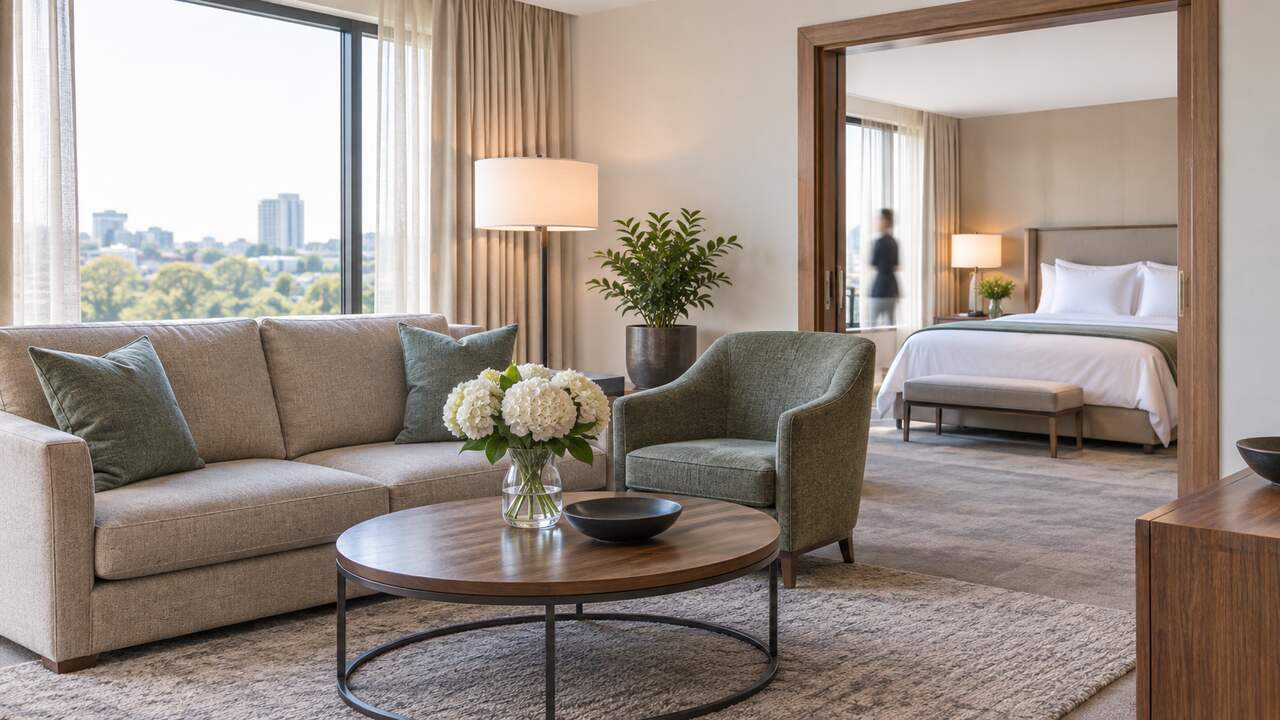
1. More room to stay
The first advantage is space. A suite usually has a small living area with chairs, a table and often a sofa bed, and the bedroom is divided from it by a partial or full partition. That extra room means luggage, children’s things or work gear do not crowd the bed, and two people can be awake and asleep at the same time without disturbing each other.
For travellers who spend a lot of time in the room, such as those recovering from a long flight or visiting a relative in hospital, the space changes how the stay feels. It is the reason people celebrating an anniversary or a honeymoon often upgrade.
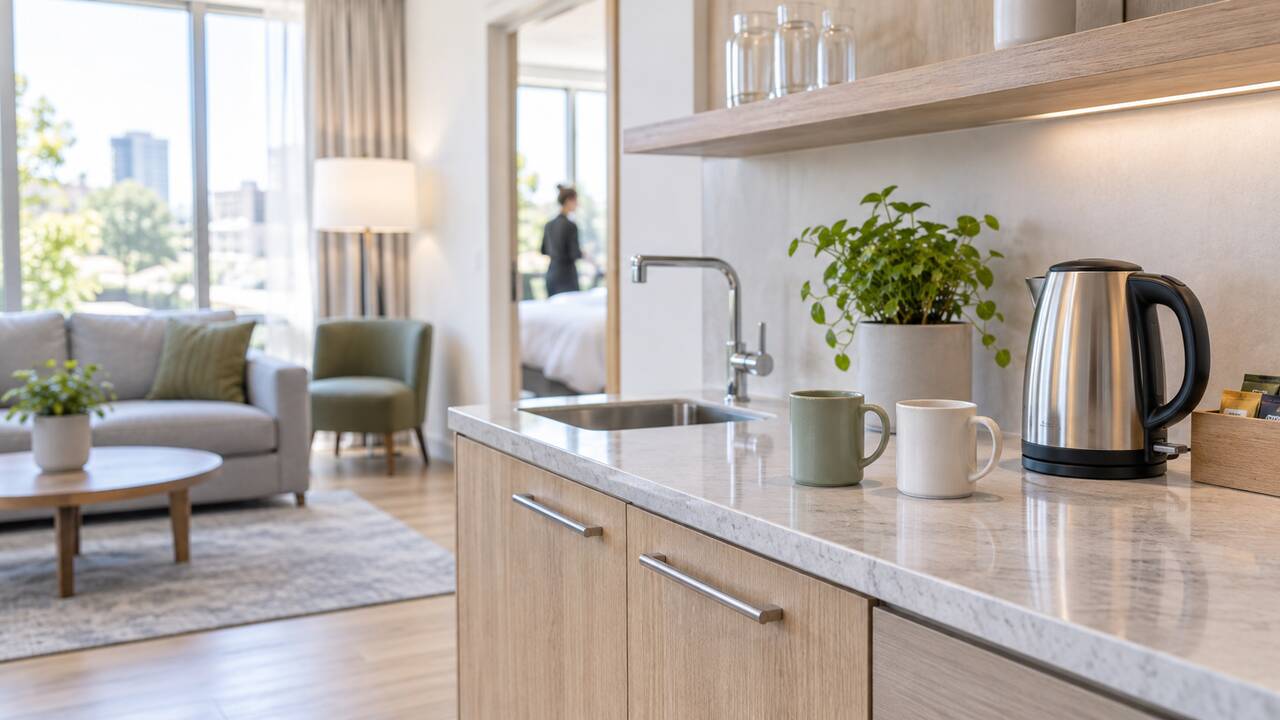
2. A separate place to sit, work or eat
The second advantage is function. With a living area, you can hold a short meeting, eat a meal or watch a film without sitting on the bed. Many all-suite hotels add a kitchenette with a fridge, microwave or hob. Hospitality Net notes that all-suite hotels are popular in business and extended-stay markets, and that they suit longer stays and families.
A kitchenette also saves money over several days. Breakfast and simple meals in the suite reduce restaurant bills, which can offset part of the higher room rate on a long trip.
3. Better value for families, groups and long stays
The third advantage is value per person. A two-room suite with a sofa bed can sleep a family that would otherwise need two standard rooms, and some hotels price a suite below the cost of two rooms. For long stays, the combination of space and a kitchen often makes a suite the cheaper choice overall. The calculation changes from hotel to hotel, so compare the total price of the options you are considering, including taxes and fees.
Group celebrations are another case. A suite gives friends or family a place to gather before dinner, open presents or share a late-night drink without going to the bar. Check the hotel’s rules on visitors and noise first; many hotels limit the number of people in a room.
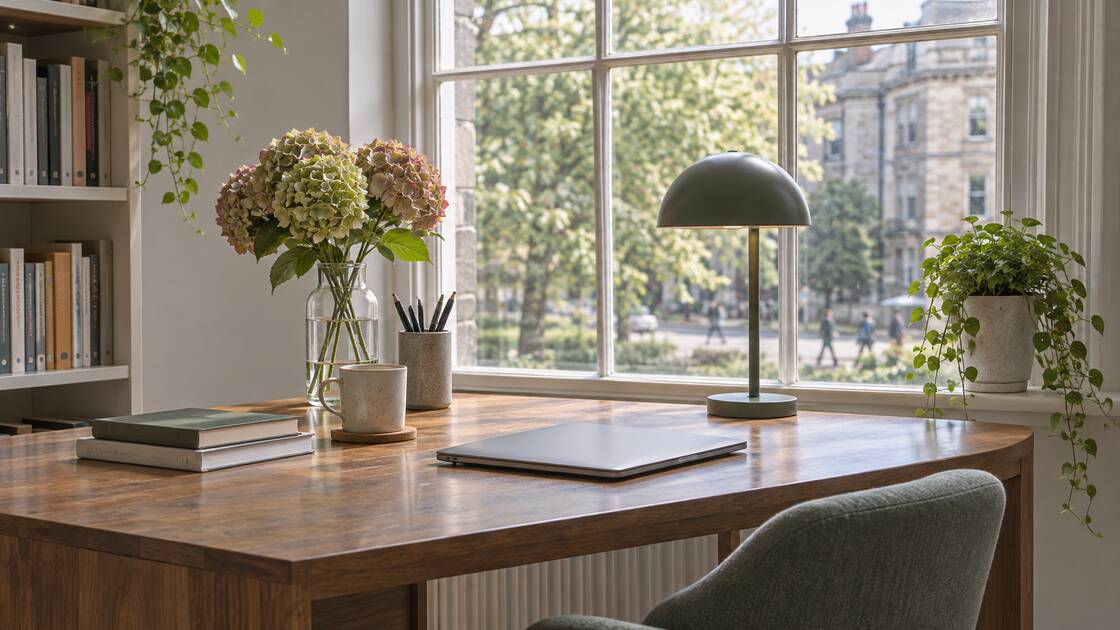
4. More privacy and comfort
The fourth advantage is privacy. A door between rooms lets one person sleep while the other works, and room service or visitors can be received in the living area. Suites are sometimes placed on higher floors or in quieter corners, and some include extras such as a larger bathroom or a bathtub. These details vary widely, so read the description rather than assuming.
The trade-off is cost. Suites are more expensive than standard rooms, and the extra space is wasted if you will only sleep there. For a short city break where you are out all day, a standard room or a well-chosen bed and breakfast may be better value; see our comparison of B&Bs and hotels.
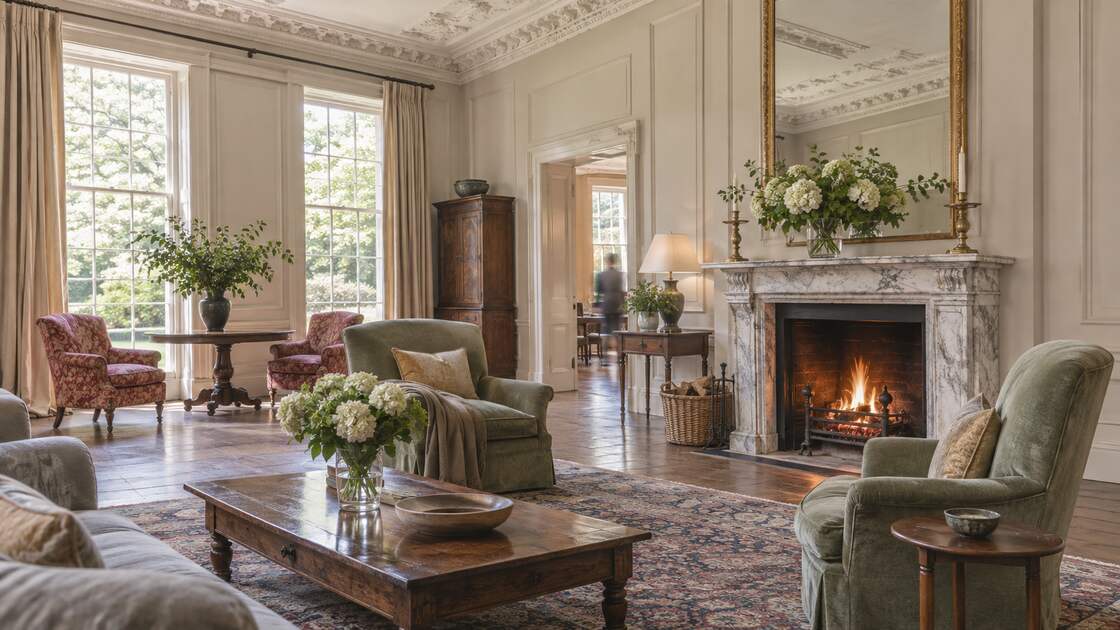
Suites in historic inns
Historic inns and bed and breakfasts often have suites, but they are shaped by the building rather than a floor plan. A suite may be a former drawing room with a fireplace, an attic room with a sitting nook, or two connecting rooms. That character is the attraction, along with the personal service AAA associates with smaller lodgings. The downsides can include stairs without lifts, smaller bathrooms and less soundproofing than a modern hotel.
Durham’s King’s Daughters Inn, for example, created its 17 guest rooms inside a 1926 home built for older women; our history of the inn explains how. If you are choosing a historic inn suite, ask about the layout, accessibility and bed sizes, and use our checklist before booking.
Key takeaways
- A suite combines a sleeping area with a separate living area, sometimes with a kitchenette.
- The main advantages are space, function, value per person and privacy.
- Suites cost more than standard rooms; they pay off on long stays or with more people.
- Room names vary, so check the layout rather than the label.
- Historic inn suites have character but may lack lifts or soundproofing.
Common questions
What is the difference between a hotel room and a suite?
A standard room is one space for sleeping. A suite adds a living or sitting area, either in a separate room or as a defined part of a large room.
Is a junior suite a real suite?
A junior suite is usually one large room with a sitting area, not a separate living room. It is bigger than a standard room but smaller than a full suite.
Are hotel suites worth the money?
They are worth it when you will use the space: families, groups, long stays, work trips or special occasions. For short trips spent out sightseeing, a standard room is often enough.
Do all-suite hotels have kitchens?
Many have kitchenettes, but not all. Check the room description for a fridge, microwave or hob.
How we put this together: definitions come from Hospitality Net’s lodging guide and AAA’s Diamond rating guidelines. The advantages and trade-offs reflect common hotel practice; prices and policies differ between properties, so confirm details with the hotel. We have no commercial arrangements with hotels. The images are illustrations.
Sources
- Hospitality Net: Types of accommodation explained
- AAA: Diamond rating guidelines for lodging
- Historic Hotels of America: About
- Open Durham: King’s Daughters Home
- Hines Sight: King’s Daughters Inn, 2012
Back to the home page.