In short: Before booking a bed and breakfast or historic inn, check four things, starting with the cancellation policy and the price. First, the total price, including fees, taxes and what breakfast and parking cover. Second, the cancellation policy, deposit and house rules. Third, the room itself: layout, bed size, bathroom, stairs and accessibility. Fourth, the property’s credentials and recent reviews, including whether a wedding or event is booked during your stay. In the US, the FTC’s fees rule requires lodging sellers to show the total price upfront.
The things B&B guests should check before booking are the same whether you are planning a weekend away, a family visit or a trip for a wedding. Small lodgings have fewer standard policies than hotel chains, so a few questions up front prevent most problems. This checklist is from an independent guide; this site is not The King’s Daughters Inn, which closed in 2021, and it does not take bookings.
Terms used here. A deposit is a part-payment taken to hold a room. A cancellation window is the period before arrival after which you lose the deposit or pay in full. A mandatory fee is any charge you must pay to stay, such as a cleaning or service fee, as opposed to optional extras.
What should you check before booking a B&B?
Check the price, the policies, the room and the property. Those four areas cover nearly every complaint travellers make about small lodgings: unexpected costs, lost deposits, rooms that did not suit, and stays spoiled by noise or events. The sections below take each in turn, with the questions to ask. For background on what a B&B is, see our guide to the pros and cons of staying in a bed and breakfast.
1. The total price and what it includes
Start with the full cost. Since 12 May 2025, the Federal Trade Commission’s fees rule has required anyone offering short-term lodging in the United States, including inns and vacation rentals, to show a price that includes all required fees they know about. The FTC’s guidance allows taxes and optional extras to be shown later, but before you pay.
Then check what the price covers. In North Carolina, state law requires a B&B to include breakfast in the room rate; any other meals are billed separately. Ask whether parking, Wi-Fi, afternoon refreshments or a Valentine’s or anniversary package are included, and compare the total with nearby hotels.
2. Cancellation, deposits and house rules
Small inns lose a large share of their income when a room sits empty, so cancellation terms can be strict: a deposit of one night or more, and windows of a week or longer. Read the policy before paying, check whether it changes at weekends and holidays, and consider travel insurance for expensive stays.
Ask about house rules too: check-in hours and late arrival, breakfast times, quiet hours, children and pets, smoking, and minimum stays. A B&B is someone’s home, and North Carolina law requires it to be the permanent residence of the owner or manager, so rules are part of the arrangement rather than an afterthought.
3. The room, the bathroom and access
Rooms in historic buildings vary. Ask for the exact room, bed size, whether the bathroom is private and en suite, and whether it has a shower, bath or both. Our guide to hotel suites explains the difference between a suite and a large room, a distinction small inns use loosely.
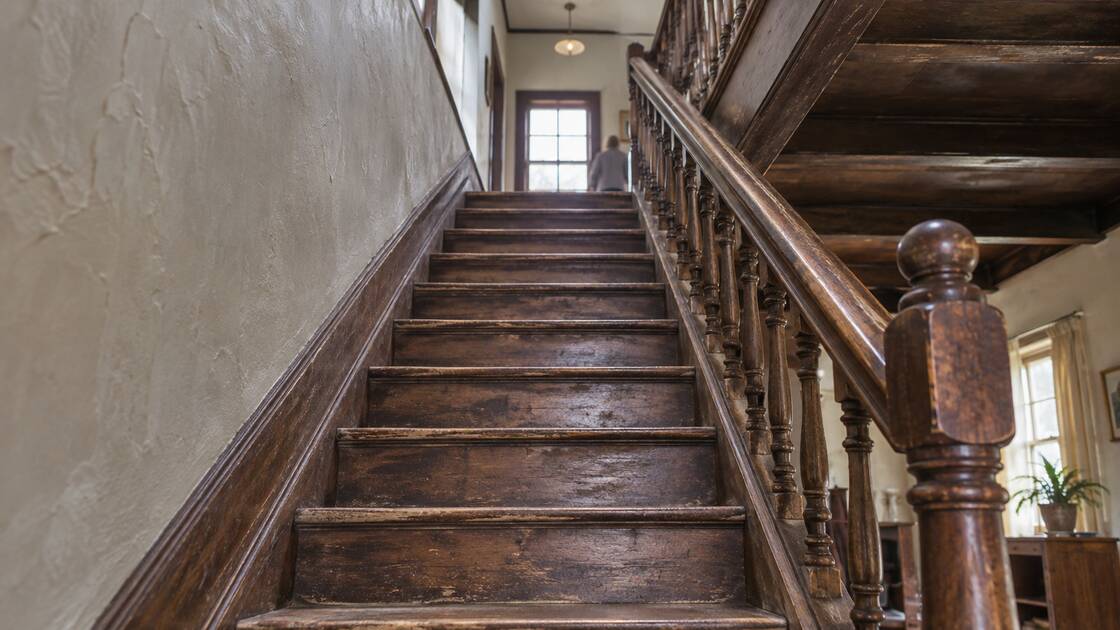
Access matters most of all. Old houses often have steep stairs, no lift and narrow doors. If anyone in your party has limited mobility, ask for a ground-floor room, step-free routes and photos. Also ask about heating and cooling, which can be uneven in old buildings, and about noise from the street or neighbouring rooms.
4. Credentials, reviews and events
Look for independent signs of quality. AAA inspects and rates lodgings from one to five Diamonds; its guidelines state that only about six percent of approved lodgings receive Four Diamonds. Historic Hotels of America, a National Trust for Historic Preservation programme, admits properties at least 50 years old that are listed in or eligible for the National Register. Select Registry, founded in 1972, is a membership group for independent inns. Read recent reviews, not just the average score.
Finally, ask whether a wedding or private event is booked during your stay. Many historic inns host weddings, rehearsal dinners and parties on their lawns and in their parlours, and an event can mean noise, closed common rooms or a full car park. If you are attending a wedding yourself, ask about group rates and whether the whole inn can be reserved.
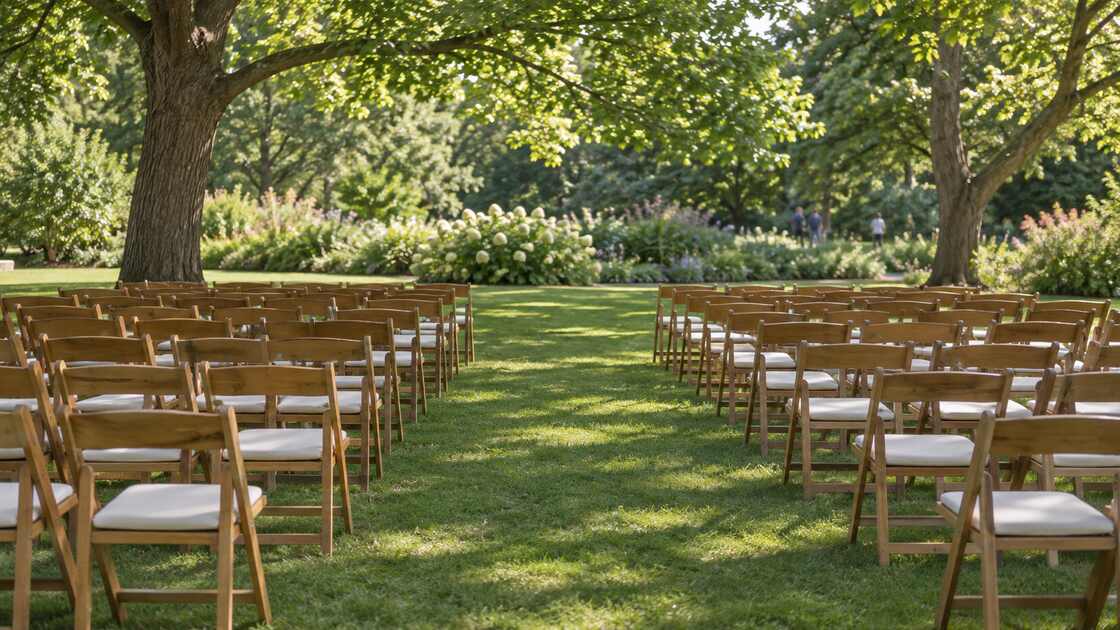
Booking rooms for a wedding weekend
Wedding guests face extra questions. If the couple has reserved a block of rooms, book within the deadline they give, because unclaimed rooms are usually released back to general sale. Ask whether the block rate is lower than the public rate; sometimes it is not. Check how far the inn is from the ceremony and reception, whether a shuttle runs, and whether parking will be crowded on the day.
Couples considering an inn as the venue should ask how many guests the inn can seat and sleep, whether outside caterers are allowed, what happens in bad weather, and whether the booking includes exclusive use of the building. Inns in residential historic districts may have noise and parking limits, so ask about end times and permits before signing. Get every agreed detail in writing.
Key takeaways
- US lodging sellers must show the total price with required fees upfront.
- Read deposit and cancellation terms; small inns are often strict.
- Confirm the exact room, bathroom, stairs and accessibility.
- Use AAA ratings, Historic Hotels of America and recent reviews as checks.
- Ask whether a wedding or event is booked during your stay.
Common questions
Do B&Bs require a deposit?
Most do, often one night’s rate, and some charge in full at booking. Terms differ, so read the policy before you pay.
Can a B&B charge resort or service fees?
It can, but under the FTC rule any required fee must be included in the total price shown to you, not added at the end.
How do I know whether a historic inn is accessible?
Ask directly for step-free routes, ground-floor rooms and photos of bathrooms. Many old buildings have only partial access.
Is it rude to ask a B&B host lots of questions?
No. Hosts generally prefer guests who know what to expect, and a quick email or call usually gets fast answers.
For the story of one Durham historic inn, read our King’s Daughters Inn history, and for trip ideas see a romantic weekend in historic Durham.
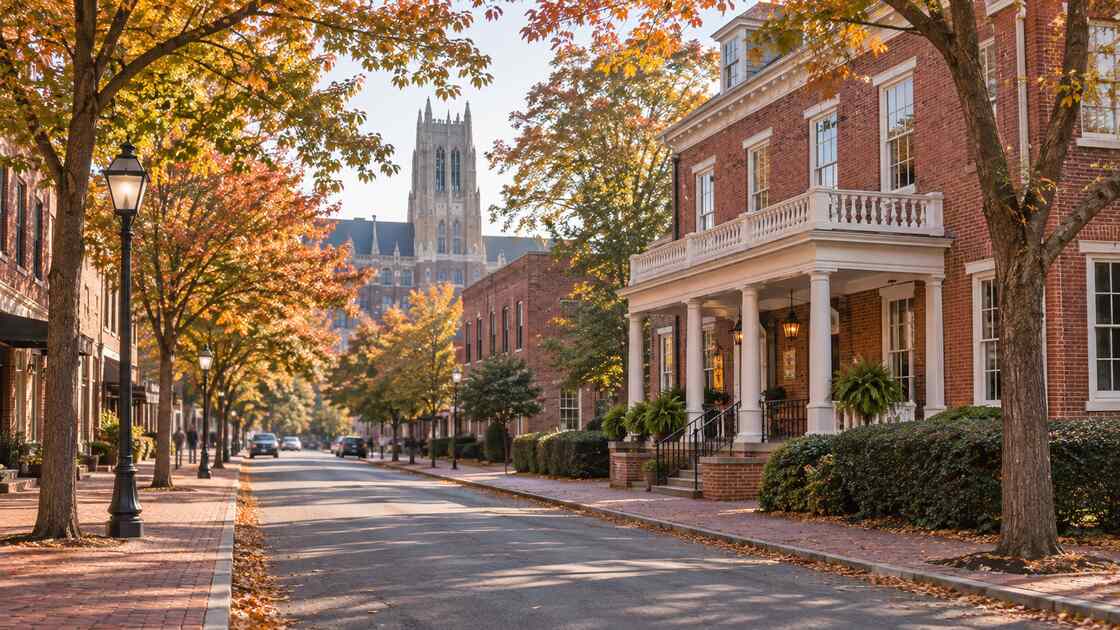
How we put this together: the legal points come from the Federal Trade Commission and North Carolina’s statute; the quality marks from AAA, Historic Hotels of America and Select Registry. This is general consumer information, not legal advice, and we have no commercial arrangements with any lodging. The images are illustrations.
Sources
- FTC: What the Rule on Unfair or Deceptive Fees means for you
- FTC: Rule on Unfair or Deceptive Fees, FAQs
- North Carolina General Statutes: G.S. 130A-247
- AAA: Diamond rating guidelines for lodging
- Historic Hotels of America: About
- Select Registry: 50 years, 2022
Back to the home page.