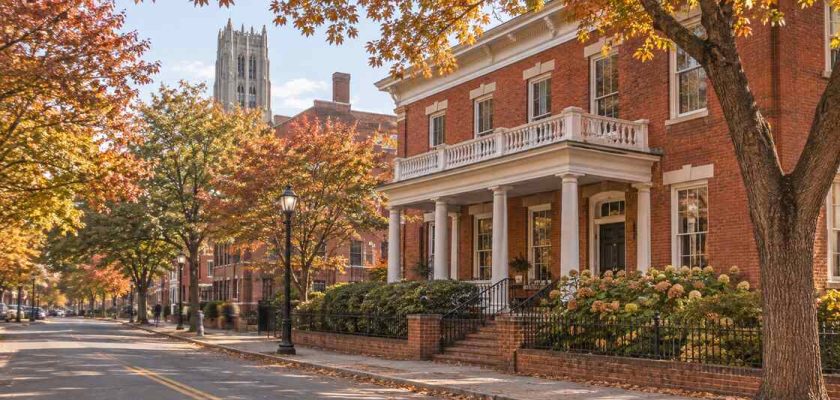
In short: Durham, North Carolina began as a railroad depot on land given by Bartlett Durham in 1849 and was incorporated in 1869. Tobacco made it rich: first Bull Durham smoking tobacco, then the Duke family’s cigarettes and the American Tobacco Company, formed in 1890. Black-owned firms on Parrish Street earned the city national fame as “Black Wall Street”. Trinity College moved here in 1892 and became Duke University in 1924. When the factories closed, the city turned them into offices, homes and the American Tobacco Campus.
Durham NC history explains almost everything a visitor sees in the city today, from the brick warehouses downtown to the Gothic chapel at Duke. This guide follows the story from a country railroad stop to the “Bull City”, with links to the archives and museums that hold the detail. It also gives the background to our history of the King’s Daughters Inn, a building that only existed because of tobacco money and Duke family gifts.
A few terms used below. Bright leaf is a light, mild tobacco cured with heat, grown across the North Carolina Piedmont. A trust, in American business history, is a combination of companies controlling a market. Urban renewal refers to mid-twentieth-century government programmes that cleared older neighbourhoods for new roads and buildings.
How did Durham, North Carolina get its name?
Durham is named after Bartlett Leonidas Durham, a doctor from an old Orange County family. According to Discover Durham, he bought 100 acres near the Hillsborough to Raleigh road in the mid-1840s and gave a four-acre easement for a railroad right-of-way and a depot. The station stood near what are now Pettigrew and Corcoran-Blackwell streets, and the settlement around it took his name.
The City of Durham’s official history dates the depot to 1849 and records that the town was incorporated on 10 April 1869. Before the railroad, the area was little more than a scatter of farms and two tavern communities, Pinhook and Prattsburg.
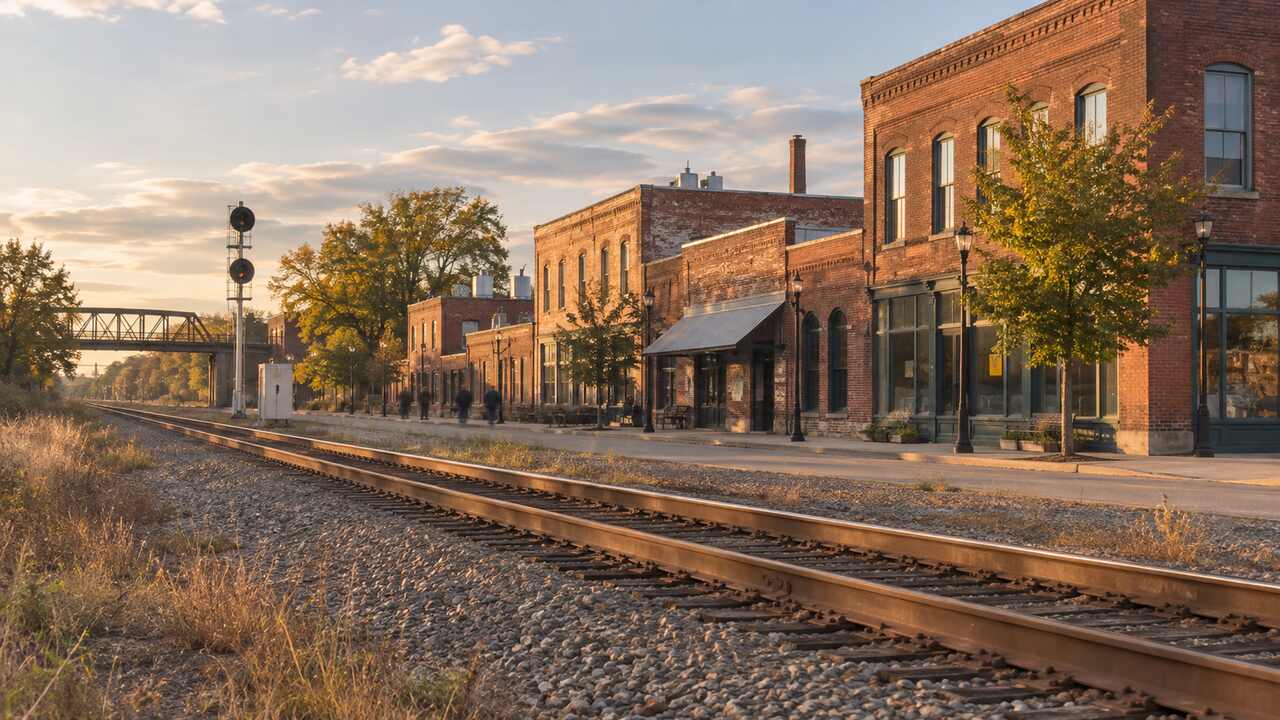
The Civil War and the Bull Durham brand
The war ended nearby. On 17 April 1865, Generals Joseph Johnston and William T. Sherman met at the farmhouse of James and Nancy Bennett and agreed the surrender of Confederate armies in the Carolinas, Georgia and Florida, which Discover Durham describes as the largest troop surrender of the war. Soldiers from both armies camped around the depot, sampled the local tobacco and later wrote home asking for more.
The Duke Homestead State Historic Site explains what happened next. Durham’s first tobacco factory had opened in 1858. John Ruffin Green bought it, adopted a bull as the trademark and sold “Genuine Durham Smoking Tobacco”, later known as Bull Durham. His successor, W. T. Blackwell and Company, became for a time the largest firm of its kind in the world. The bull is why Durham is still called the Bull City.
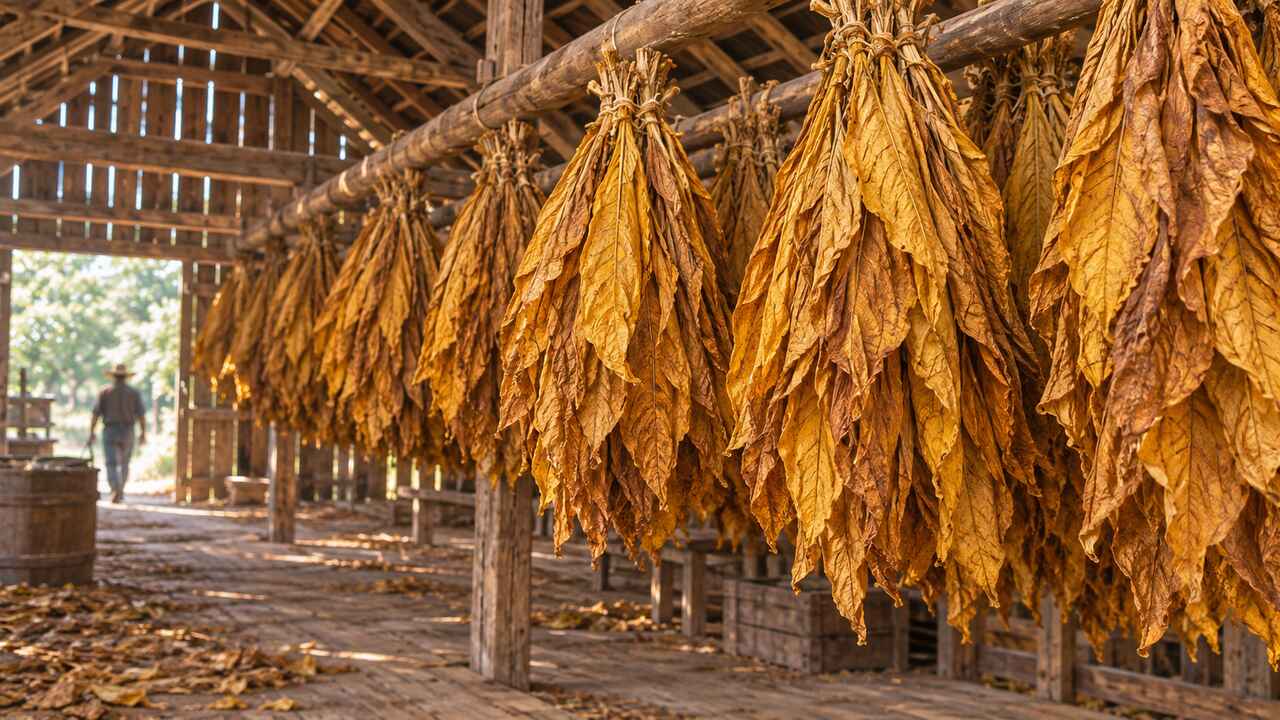
The Dukes and the American Tobacco Company
Washington Duke returned from the war to his farm and began making tobacco with his family; in 1866 they produced 15,000 pounds of “Pro Bono Publico” smoking tobacco. His son Brodie opened a factory in Durham in 1870, and in 1874 Washington bought two acres near the railroad and built his own. The firm became W. Duke, Sons and Company in 1878 and began making cigarettes in 1881.
The turning point was a machine. In 1884 the company leased two Bonsack cigarette machines, each able to do the work of forty-eight hand rollers, and James B. Duke and a mechanic refined them until the cost of making cigarettes fell by half. In 1890 the Dukes and four rivals merged into the American Tobacco Company, the “tobacco trust”, which Discover Durham says at one point made more than 90 percent of American cigarettes. The US Supreme Court ordered it dissolved in 1911.
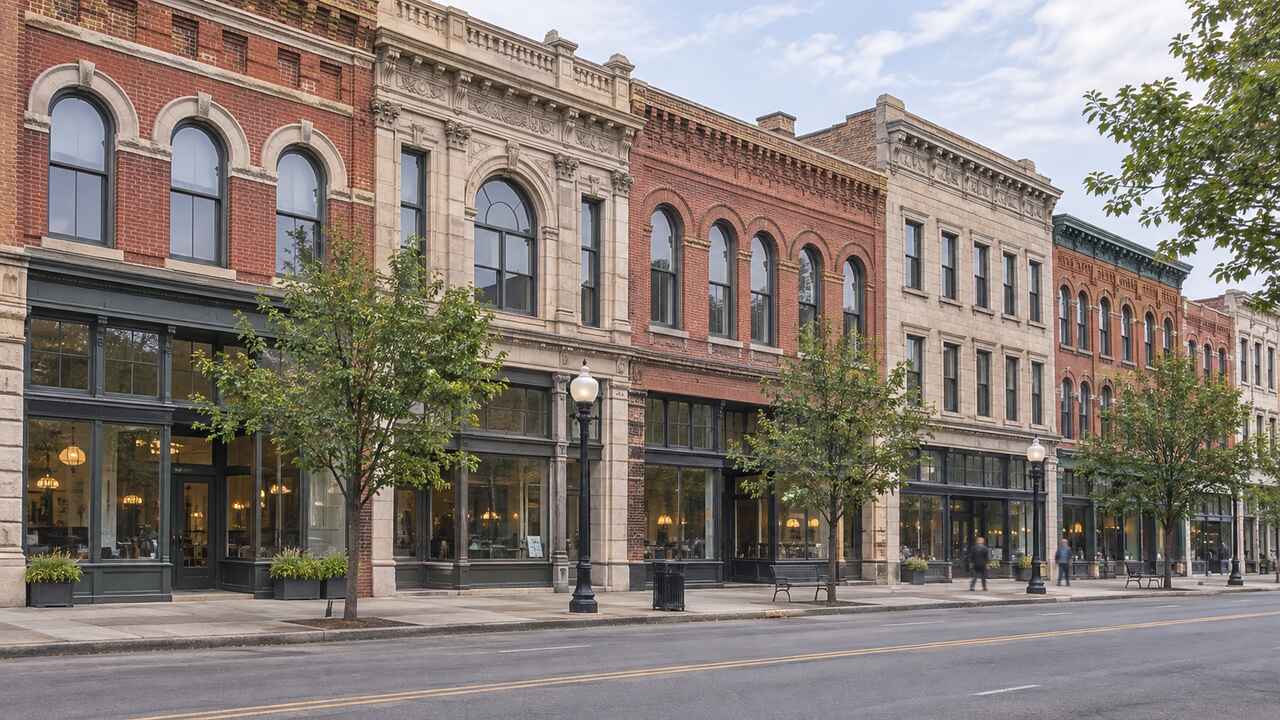
Black Wall Street and Hayti
Durham was also famous for Black enterprise. The state’s Black Wall Street historical marker records that North Carolina Mutual Life Insurance Company, led by John Merrick, Dr Aaron Moore and C. C. Spaulding and described as the nation’s largest Black-owned insurer, moved its headquarters to Parrish Street in 1906. Mechanics and Farmers Bank, founded by R. B. Fitzgerald and W. G. Pearson, followed in 1907. Booker T. Washington visited in 1910 and W. E. B. Du Bois in 1912, and both wrote admiringly of what they saw.
The Black neighbourhood of Hayti, south of downtown, held homes, churches and hundreds of businesses. The marker notes that urban renewal in the 1960s “had a destructive effect on Durham’s black business community, especially Hayti”. The Hayti Heritage Center and the Cultural Landscape Foundation’s Parrish Street entry tell that story in depth, and the Durham Freeway still marks the line where the old neighbourhood was cut.
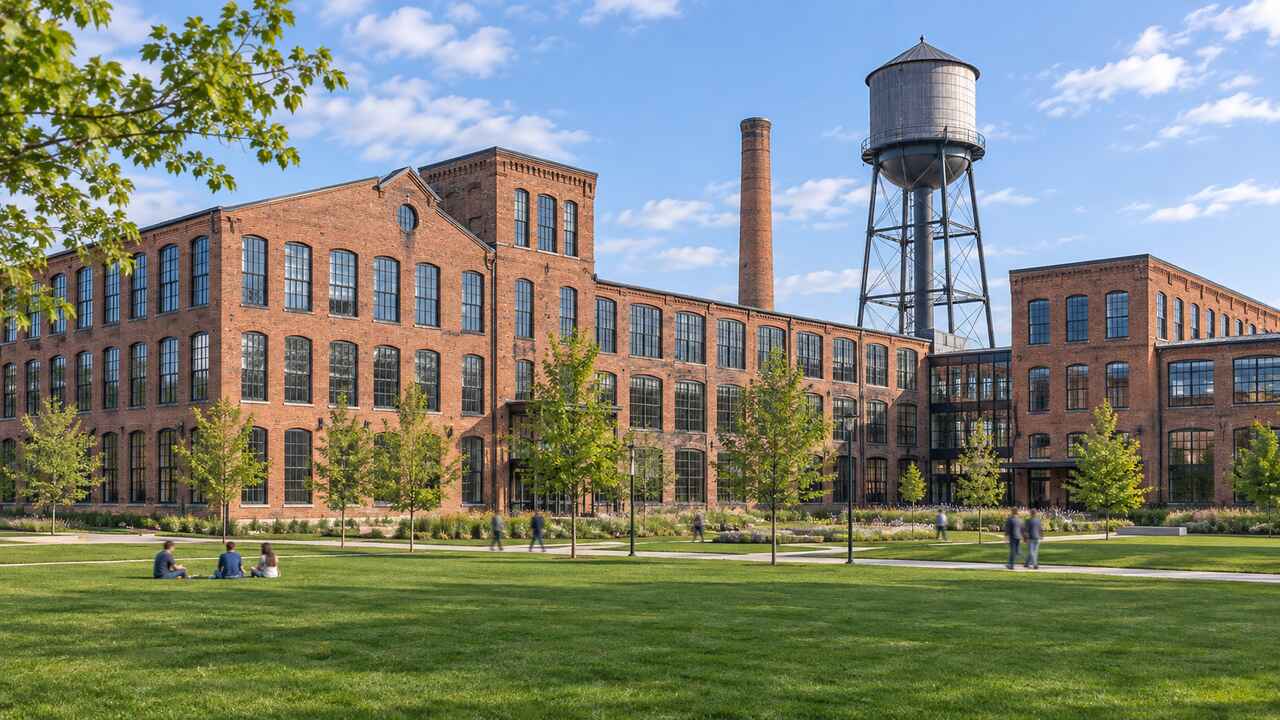
Trinity College becomes Duke University
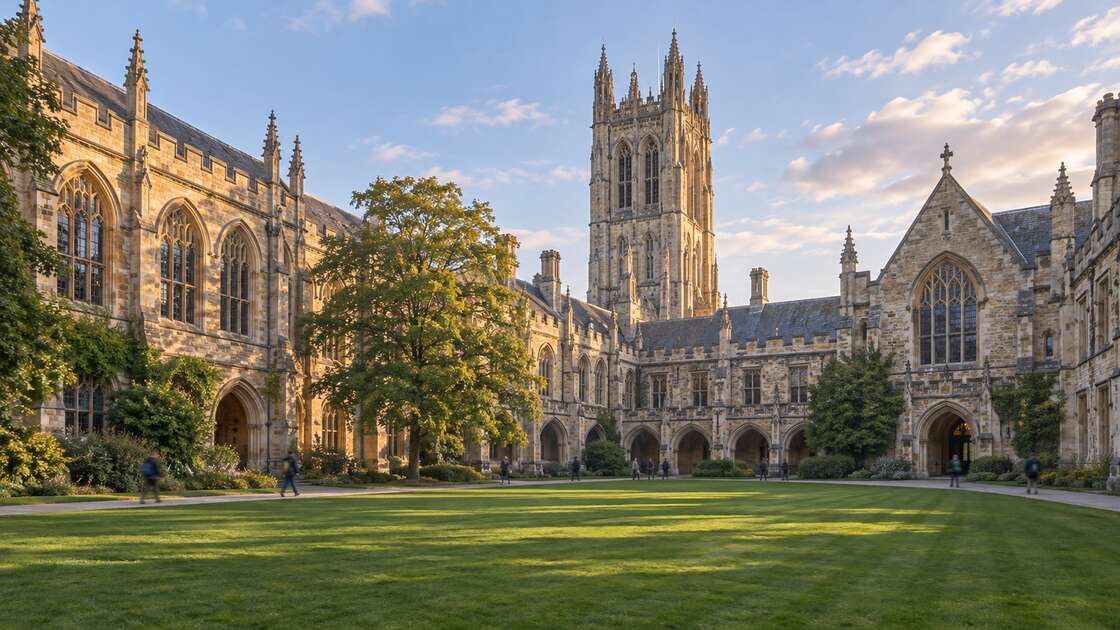
In 1892 Trinity College moved from Randolph County to Durham, helped by money and land from Washington Duke and Julian Carr. After a gift from James B. Duke and the creation of the Duke Endowment in 1924, Trinity expanded into Duke University. The old Trinity campus became East Campus, and new Gothic buildings rose to the west. The Duke Chapel cornerstone was laid in October 1930 and the chapel was dedicated in June 1935.
Houses for professors and businessmen filled the streets around East Campus. That neighbourhood, now the Trinity Historic District, was listed on the National Register in 1986, and it is where the King’s Daughters Home stood from 1911.
From factories to the American Tobacco Campus
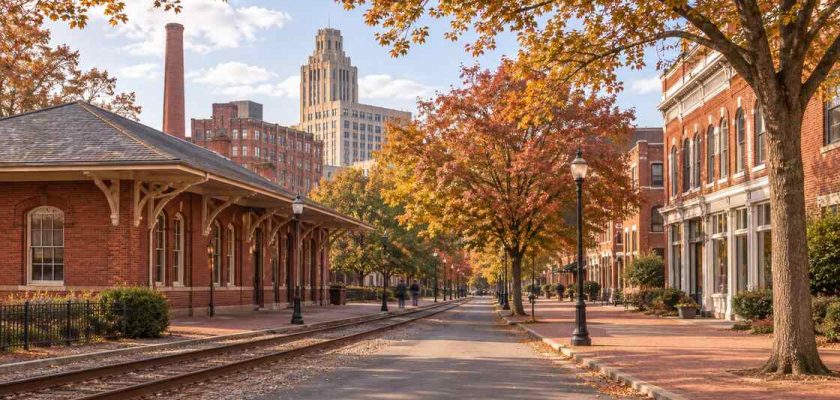
Tobacco manufacturing slowly left Durham in the late twentieth century. The American Tobacco plant downtown closed in 1987, and the NC Department of Natural and Cultural Resources records that Capitol Broadcasting reopened it in 2004 as the American Tobacco Campus, a $200 million redevelopment of offices, restaurants and public space. Earlier, the Watts and Yuille warehouses of 1904 had become Brightleaf Square after a sale in 1980.
Durham’s modern economy rests on universities, medicine and research. Research Triangle Park, founded in 1959, sits just outside the city, and the Durham Bulls, first fielded in 1913, became famous through the 1988 film Bull Durham. For a weekend built around these places, read our guide to a romantic weekend in historic Durham.
Key takeaways
- Durham grew around a railroad depot of 1849 and was incorporated on 10 April 1869.
- Bull Durham tobacco gave the city its nickname, the Bull City.
- The Duke family’s cigarette business led to the American Tobacco Company in 1890.
- Parrish Street’s Black-owned firms earned it the name Black Wall Street.
- Trinity College moved to Durham in 1892 and became Duke University in 1924.
- Old factories now house offices, homes and the American Tobacco Campus.
Common questions
Why is Durham called the Bull City?
Because of Bull Durham, the smoking tobacco made in the town from the 1860s, whose trademark was a bull.
When was Durham founded?
The railroad depot that started the town dates from 1849. Durham was incorporated as a town on 10 April 1869.
What was Black Wall Street in Durham?
The name given to Parrish Street in the early twentieth century, when it was home to major Black-owned firms such as North Carolina Mutual and Mechanics and Farmers Bank.
Was Duke University always in Durham?
Its predecessor, Trinity College, began in Randolph County and moved to Durham in 1892. It became Duke University in 1924.
Further reading on this site: the pros and cons of staying in a bed and breakfast and what to check before booking a historic inn.
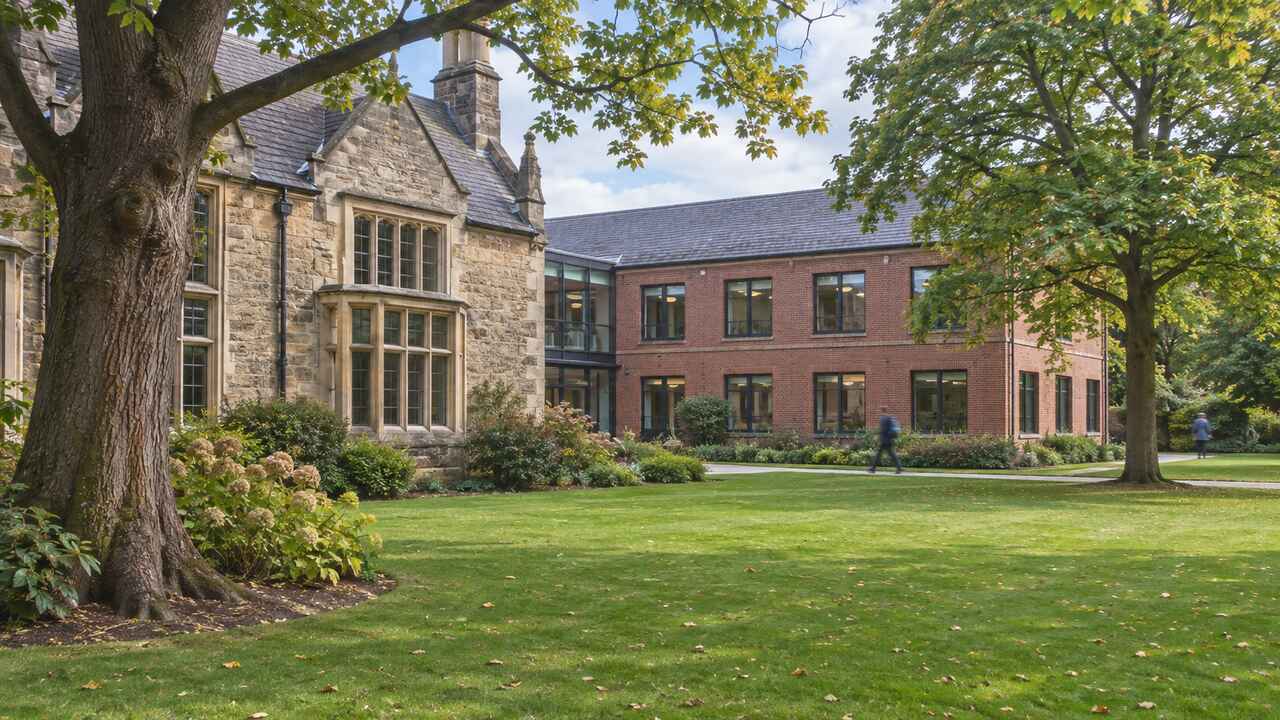
How we put this together: this is a summary drawn from the City of Durham, Discover Durham, the Duke Homestead State Historic Site, NC state historical markers, Duke University and Open Durham, all linked below. Dates follow those sources. The images are illustrations, not photographs of the places named.
Sources
- City of Durham: History of Durham
- Discover Durham: Durham’s past
- NC Historic Sites: Cultivation of a tobacco empire
- NC DNCR: Black Wall Street marker G-116
- NC DNCR: American Tobacco Campus takes shape
- Open Durham: Brightleaf Square
- Duke Chapel: History and architecture
- The Cultural Landscape Foundation: Parrish Street
Back to the home page.