
In short: The pros and cons of staying in a bed and breakfast are easy to list. A bed and breakfast or small historic inn offers personal service from a resident host, breakfast included in the price, a building with character and a quieter stay with few other guests. The cons are fewer facilities than a hotel, set check-in times and house rules, shared spaces, less privacy and, in old buildings, stairs, thin walls or small bathrooms. B&Bs suit couples and slow travellers; hotels suit those who want round-the-clock service.
The pros and cons of staying in a bed and breakfast depend on what you want from a trip. For some travellers, chatting over breakfast with a host who knows the town is the highlight; for others, it is exactly what they want to avoid. This guide sets out both sides, with the legal and industry definitions behind them. It is written by an independent site; this is not The King’s Daughters Inn, the Durham inn that closed in 2021.
Key terms. North Carolina law, in G.S. 130A-247, defines a bed and breakfast home as a business in a private home of not more than eight guest rooms, and a bed and breakfast inn as one of nine to 12 rooms. In both, breakfast is included in the room rate, meals are served only to overnight guests, stays are under a week and the building is the permanent residence of the owner or manager. AAA’s guidelines describe a B&B as “typically owner-operated with extensive personal touches”.
Why stay in a bed and breakfast?
People choose a bed and breakfast mainly for the people and the place. Because the owner or manager lives on site, guests deal with the same person from booking to check-out, and that host can usually recommend restaurants, walks and local history in a way a front desk rarely does. AAA notes that guests are “encouraged to interact during evening and breakfast hours”, which suits travellers who enjoy meeting others.
The building is the second draw. Many B&Bs are in old houses, farmhouses or converted buildings, with period rooms, porches and gardens. A stay becomes part of the trip rather than just a place to sleep.
Location is a third reason. B&Bs are often in residential neighbourhoods, historic districts or the countryside rather than beside motorways or in business districts. Staying on a quiet street of old houses gives a different view of a town, and in many places the B&B is within walking distance of the main sights. Guests who want to live, briefly, like a local often find that easier in a home than in a hotel tower.

Pro: breakfast and personal service
Breakfast is part of the deal. North Carolina law requires the price of breakfast to be included in the room rate, and AAA’s definition says breakfast may be continental or a full, hot meal. Hosts often cook to order and will handle dietary needs if asked ahead. Over a few days, that saves money and time compared with finding breakfast out.
Service is personal. A host may lend an umbrella, book a taxi, or suggest a quiet table for a special dinner. Small numbers mean the host can remember your name and preferences, and many guests return for that reason.

Pro: character, quiet and value
With at most 12 rooms under the North Carolina definition, a B&B is quiet compared with most hotels: no conference groups, no lobby crowds and no long lifts. Each room is often decorated differently. For couples, a B&B is a natural choice for a romantic weekend; our guide to a romantic weekend in historic Durham shows how a stay fits into a trip.
Value depends on the market. A B&B rate includes breakfast and often parking, snacks or drinks, so compare the total rather than the headline price against a hotel’s. In popular towns, B&Bs can cost as much as a good hotel.
Con: fewer facilities and set hours
The main drawback is facilities. Most B&Bs have no pool, gym, spa, restaurant open to the public or 24-hour desk. North Carolina’s definition bars B&Bs from serving food or drink to the general public for pay, so the dining room is for guests only. Check-in is often in a set window, and late arrivals must be arranged in advance.
House rules also apply: breakfast at a fixed time, quiet hours, no children under a certain age, no pets, or a minimum stay at weekends. Cancellation terms are often stricter than at large hotels because each room matters more to a small business. Read these terms before paying a deposit.
Con: less privacy and old-building quirks
Sharing a house means less anonymity. Guests meet in the breakfast room and on the stairs, and some travellers find shared breakfast tables awkward. Ask whether tables are shared or separate if this matters to you.
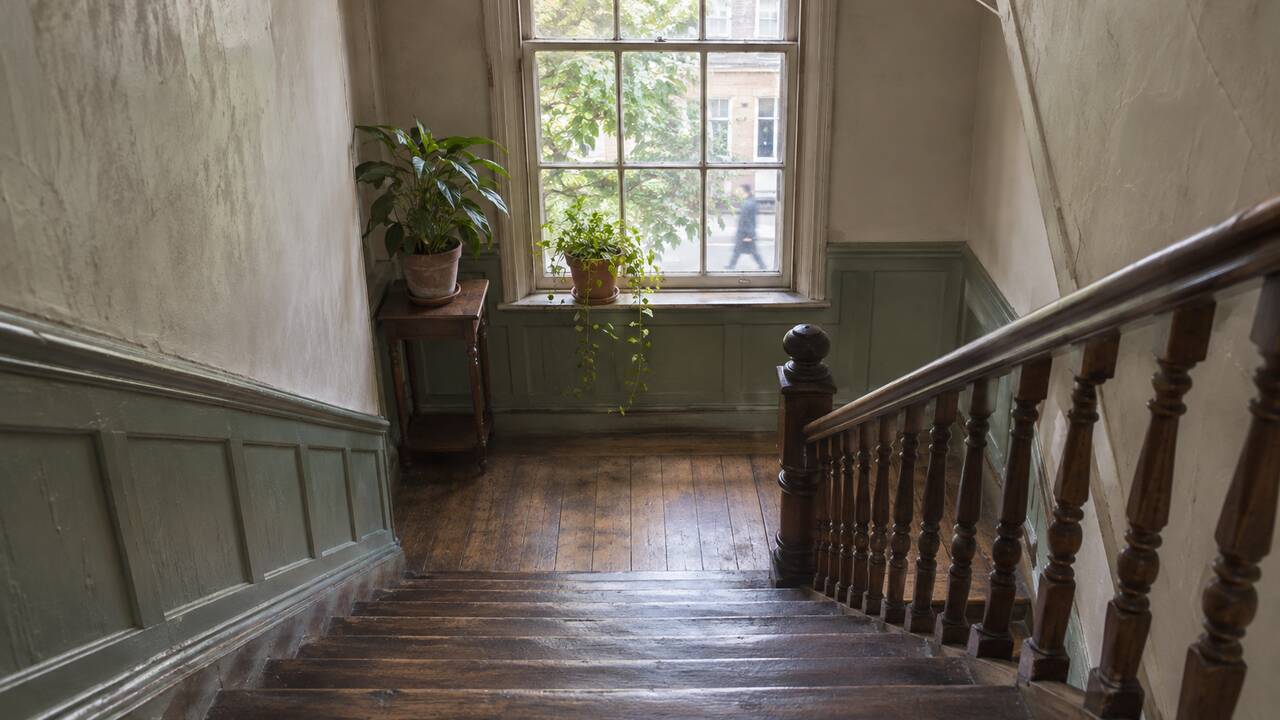
Old buildings bring quirks: steep stairs and no lift, uneven floors, smaller bathrooms, and less soundproofing between rooms. Accessibility can be limited, so travellers with mobility needs should ask for details and photos. Our checklist of things to check before booking a B&B covers the questions to ask.
Who should choose a B&B, and who should not?
B&Bs suit couples, solo travellers who like company, history lovers and anyone on a slow trip. They suit less well if you arrive late at night, travel with young children, need step-free access, or want a gym and room service. Families may prefer a hotel suite; see the advantages of hotel suites. For a side-by-side comparison, read the differences between a B&B and a hotel.
Historic inns sit between the two. The King’s Daughters Inn in Durham, with 17 rooms, was larger than the 12-room limit in North Carolina’s B&B inn definition but kept the personal style; our history of the inn tells its story.
Key takeaways
- North Carolina defines B&Bs as up to 12 rooms, owner or manager resident, breakfast included.
- Pros: personal service, breakfast, character, quiet and local knowledge.
- Cons: fewer facilities, set hours, house rules and less privacy.
- Old buildings may have stairs, small bathrooms and thin walls.
- Compare total cost, including breakfast and parking, not just the room rate.
Common questions
Is a bed and breakfast cheaper than a hotel?
Not always. Breakfast is included, which helps, but rates in popular areas can match good hotels. Compare total costs for your dates.
Do you have to eat breakfast with other guests?
Some B&Bs serve at a shared table; others have separate tables or room service. Ask when booking.
Are B&Bs good for families?
Some welcome children; others set a minimum age. Families usually need larger rooms or suites, so check room sizes and rules.
Can a bed and breakfast serve dinner?
In North Carolina, a B&B may serve lunch or dinner to overnight guests only, charged separately; it may not sell meals to the general public.
What is the difference between a B&B home and a B&B inn?
Under North Carolina law, a home has up to eight guest rooms and an inn has nine to 12. Other rules are the same.
How we put this together: the definitions come from North Carolina’s statute and AAA’s lodging guidelines, quoted directly. The pros and cons summarise common features of small lodgings; individual properties differ, so check their own terms. This is general information, not legal advice. The images are illustrations.
Sources
- North Carolina General Statutes: G.S. 130A-247
- AAA: Diamond rating guidelines for lodging
- Hospitality Net: Types of accommodation explained
- Historic Hotels of America: About
- Open Durham: King’s Daughters Home
Back to the home page.